
Flatworms in Reef Tanks: How to Identify and Remove Them
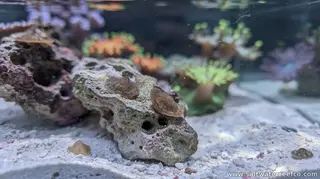
 Flatworms in Reef Tanks: How to Identify and Remove Them

Flatworms are among the most common reef-tank pests reported by aquarists, especially in systems that experience stress, nutrient imbalance, or frequent introductions of new livestock. While not all flatworms are harmful, several types can irritate corals or multiply rapidly, prompting urgent troubleshooting.

This guide explains what to look for, which signs suggest a pest species, and how to reduce their numbers using practical, aquarium-safe measures.

How to identify flatwo ... Read more »

Comments

Popular posts from this blog

Venomous Reef Inhabitants: How to Stay Safe While Diving

Venomous Reef Inhabitants: How to Stay Safe While Diving Reefs are home to colorful wildlife, but a number of species can injure people with venomous stings or toxins. Most incidents happen when animals are stepped on, touched, or handled—often in shallow reef areas where visitors are most likely to wade, swim, or snorkel. Understanding which reef inhabitants are dangerous, and how envenomation typically occurs, can make a major difference—especially in regions where medical help may be hours away. Stonefish and lionfis ... Read more »  

A great gift idea from the world of aquariums

  A great gift idea from the world of aquariums Choosing a gift from the world of aquariums is not just about the recipient’s taste; it’s about enhancing a tiny, living world that rewards careful care and curiosity. Whether you’re shopping for a beginner starting a small freshwater setup or a veteran looking to upgrade a display, there are thoughtful options that blend practicality with visual appeal. One strong option is a beginner-friendly starter kit that includes a compact filter, a programmable LED light, and  ...  Read more »

Soft Coral Movement You Can’t Beat: A Closer Look at Reef Dynamics

  Soft Coral Movement You Can’t Beat: A Closer Look at Reef Dynamics In coral reefs around the world, soft corals captivate divers and aquarium enthusiasts with a slow, almost dancing motion as their polyp branches unfurl and retract in response to the surrounding water flow. The movement isn’t just aesthetics; it reflects a dynamic exchange between current, light, and the coral’s own feeding strategy. Scientists describe it as a coordinated response that helps soft corals capture plankton and detritus suspended in the water column. What ma  ...  Read more »