
Best algae-eating fish and invertebrates for aquariums
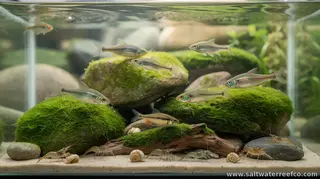
 Best algae-eating fish and invertebrates for aquariums

Algae problems are common in new and established aquariums alike, but the “best” algae-eaters are the ones that match your water conditions and the kind of algae you’re dealing with. The most effective clean-up crews are usually a mix of hardy grazers and algae-targeting invertebrates—supported by basic tank management like light control and stable feeding.

Top algae-eating fish (most dependable options)

Otocinclus (dwarf suckermouth catfish)< ... Read more »

Comments

Popular posts from this blog

Mixed Reef vs SPS-Dominant Tanks: Lighting Needs

  Mixed Reef vs SPS-Dominant Tanks: Lighting Needs Choosing between a mixed reef and an SPS-dominant system is less about “better” and more about whether you want flexibility and variety—or maximum coral growth potential with tighter control. Lighting is usually the deciding factor because SPS generally demands higher light and more stable conditions than many other reef corals. Below is a practical comparison of both approaches, with the pros and cons that matter most, plus the lighting needs reef keepers commonly p ... Read more »

Me & Velvet Sickness on the Reef: Safe Treatments

  Me & Velvet Sickness on the Reef: Safe Treatments White spots, mucus coating, rapid weight loss: When Ich or Velvet disease (velvet disease) appear in a reef aquarium, every hour counts. Both diseases are caused by parasites that infest fish – while corals and invertebrates can be affected to varying degrees depending on the treatment. Therefore, it's crucial not only to know "what helps," but also "what is demonstrably safest for the reef." The following overview categorizes the typical symptoms, explai ... Read more »

Sustainable Coral Farming: How Aquaculture Is Changing the Hobby

  Sustainable Coral Farming: How Aquaculture Is Changing the Hobby For years, coral reef hobbyists have faced a tradeoff: the desire to keep vibrant reef life at home, versus the environmental cost of extracting wild colonies. Increasingly, that equation is changing as sustainable coral farming expands—and as aquaculture becomes the industry standard for many popular species. Rather than taking corals from reefs, aquaculture nurseries grow corals in controlled systems, then supply fragments to hobbyists and retailers. The approach is gaining mo ... Read more »