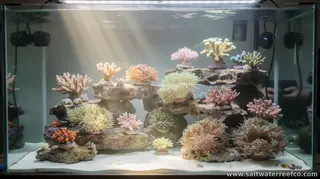
Beginner-Friendly Corals for New Reef Keepers


Choosing corals for a new reef is less about finding the “prettiest” species and more about selecting animals that can handle early instability. Many beginner tanks go through swings in salinity, temperature, nutrients, and light as the system matures. The goal is to pick corals known for resilience, fast recovery, and forgiving care.

Below are beginner-friendly coral groups that are widely recommended for starting reef setups, along with what to prioritize so your first a ... Read more »

Comments

Popular posts from this blog

Me & Velvet Sickness on the Reef: Safe Treatments

  Me & Velvet Sickness on the Reef: Safe Treatments White spots, mucus coating, rapid weight loss: When Ich or Velvet disease (velvet disease) appear in a reef aquarium, every hour counts. Both diseases are caused by parasites that infest fish – while corals and invertebrates can be affected to varying degrees depending on the treatment. Therefore, it's crucial not only to know "what helps," but also "what is demonstrably safest for the reef." The following overview categorizes the typical symptoms, explai ... Read more »

Frag Tank Setup Guide for Coral Propagation

  Frag Tank Setup Guide for Coral Propagation Frag tank setups are designed to stabilize conditions for small coral colonies (frags) while keeping growth predictable. Whether you’re growing SPS, LPS, or soft corals, the goal is the same: consistent water quality, low stress handling, and the right light and flow from day one. Start with the right tank and stability Choose a tank size you can maintain easily—many successful frag systems start modestly and scale up. Focus on stable salinity and temperature mor ... Read more »

Coral Bleaching: Early Warning Signs and What to Do

  Coral Bleaching: Early Warning Signs and What to Do Coral bleaching—when corals lose their colorful symbiotic algae—often reflects heat stress and other environmental pressures. While some reefs can recover, repeated or severe bleaching events can cause long-term damage, including slower growth, disease vulnerability, and declines in fish and tourism. With ocean temperatures rising and marine heatwaves becoming more frequent, early recognition and rapid response are increasingly important for reef resilience. Early ... Read more »